3:00 PM - 7:00 PM
Mon - Sat
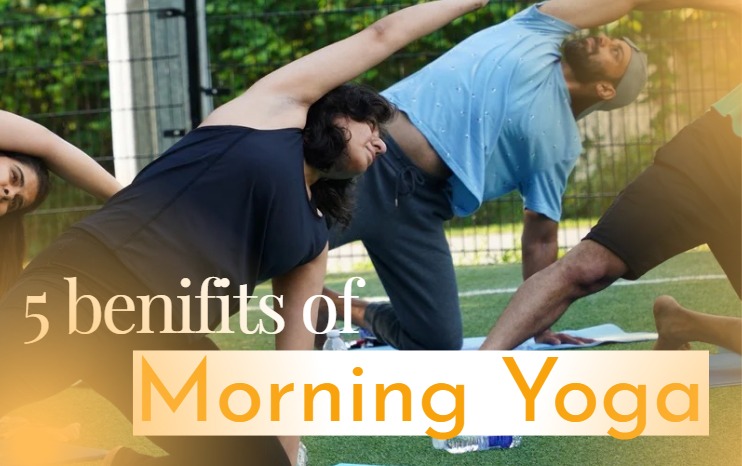
Starting yoga can feel intimidating. You picture people folding into impossible shapes and wonder whether you are flexible enough, fit enough, or calm enough to belong on the mat. Here is the truth after years of teaching beginners in Toronto: yoga is not a test of flexibility. It is a practice of paying attention. If you can breathe, you can do yoga — and this guide will show you exactly how to begin in a way that actually lasts.
Yoga is far more than stretching. Traditional practice weaves together three threads: asana (physical postures), pranayama (breath control), and dhyana (meditation and awareness). Modern classes emphasise the postures, but the real change happens when you link movement to breath and bring full attention to the present moment. You do not need to be spiritual, bendy, or thin to practise. You just need to show up and breathe.
A gentle beginner class usually opens with a few minutes of settling and breath awareness, moves through a warm-up, builds into standing and seated postures, and closes with a short relaxation called Savasana. Arrive five minutes early, tell the teacher you are new, and mention any injuries. There is no rush and no competition — resting in Child's Pose whenever you need to is a sign of a smart practitioner, not a weak one.
You do not need dozens of poses to begin. Master these eight and you have a complete, balanced practice:
If you learn only one thing as a beginner, let it be to breathe through your nose, slowly and evenly. Try this before your next practice: inhale for a count of four, exhale for a count of six. The longer exhale signals your nervous system to relax. This simple technique — a gateway to formal pranayama — is why people leave a yoga class feeling lighter than when they arrived. When a pose feels hard, do not hold your breath. Soften, and let the breath guide how far you go.
Consistency beats intensity every time. Ten minutes a day does far more for your body and mind than a single ninety-minute class every fortnight. Anchor your practice to something you already do — roll out your mat right after your morning coffee, or wind down with a few gentle stretches before bed. Keep the mat visible. Start absurdly small, celebrate showing up, and let the practice grow naturally. Within a few weeks you will notice steadier energy, better sleep, and a calmer response to stress.
Almost nothing. A non-slip mat, comfortable clothes you can move in, and a little floor space are enough. Props such as a block, a strap, or a folded blanket make poses more accessible, but a stack of books and a bathrobe tie work just as well at home. Practise on an empty-ish stomach, keep water nearby, and give yourself permission to be a beginner.
Learning alongside an experienced teacher shortens the path enormously — you get real-time feedback on alignment, gentle encouragement, and a supportive community. At YOGA by DeRamaul in Toronto, we run mindful, breath-led classes for every level, both indoors and in the open air at Canoe Landing Park. Your first class is free, so you can experience the practice before committing to anything. When you are ready, reach out and we will help you find the class that fits your body, your pace, and your goals.
Deepti is the founder and lead teacher at YOGA by DeRamaul in Toronto. Rooted in traditional practice from Rishikesh, India and blended with modern technique, she guides students of every level toward strength, balance, and inner calm — one breath at a time.